
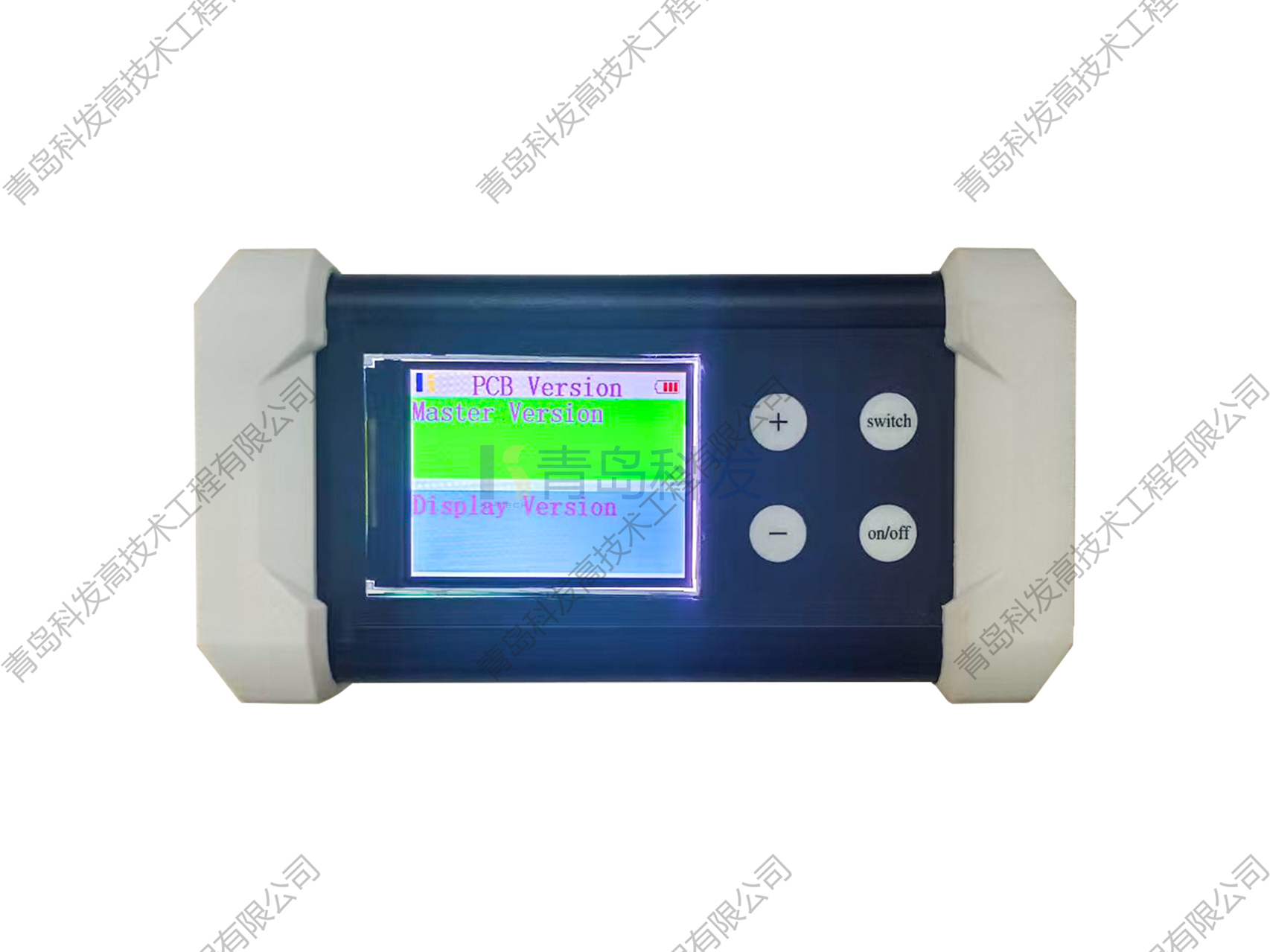
家电产品.jpg
家电产品主控板信息互联通信.jpg
家电产品.jpg
家电产品主控板信息互联通信.jpg
Household Appliance Main Control Board Information Interconnection Communication Module
Product Introduction
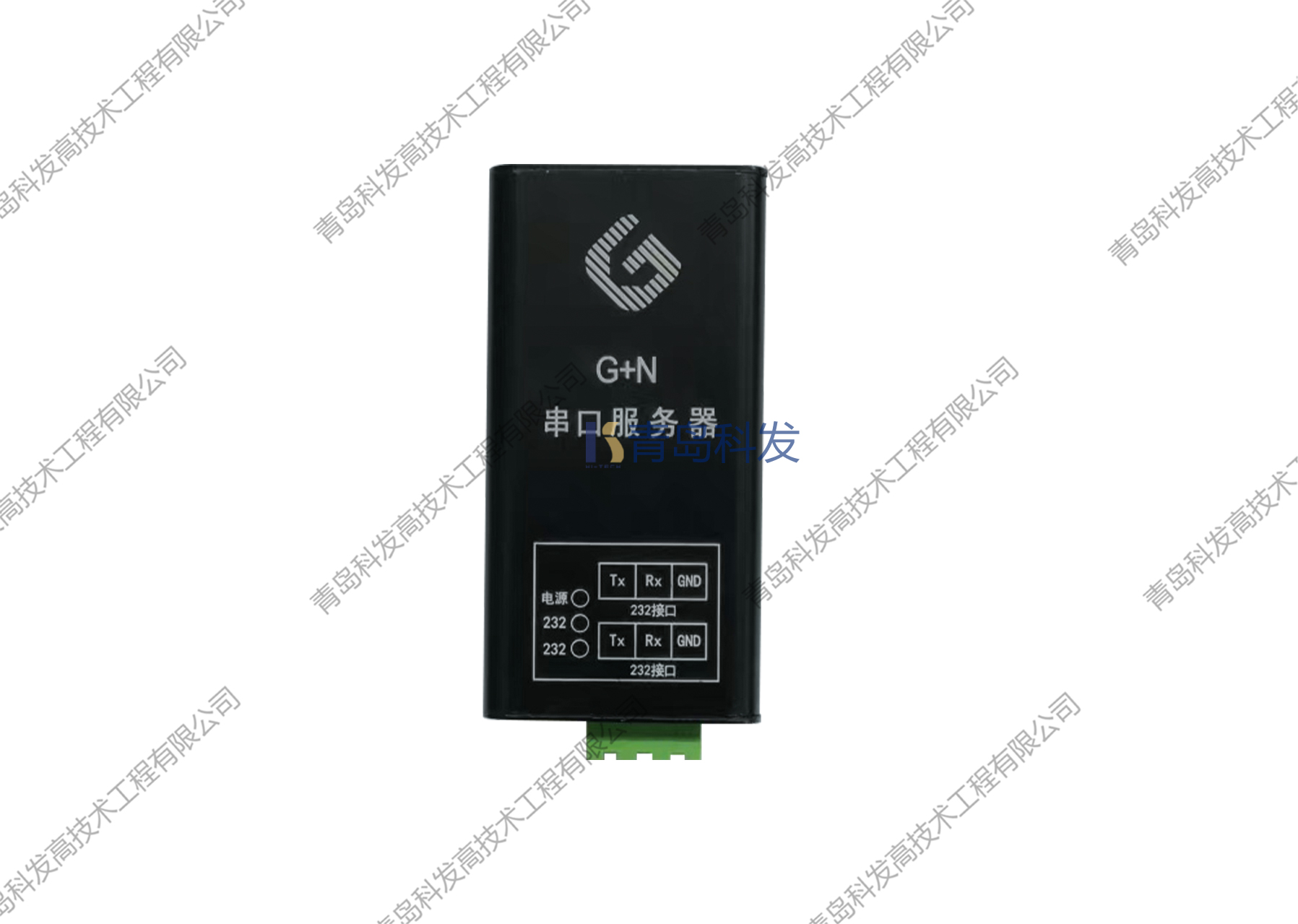
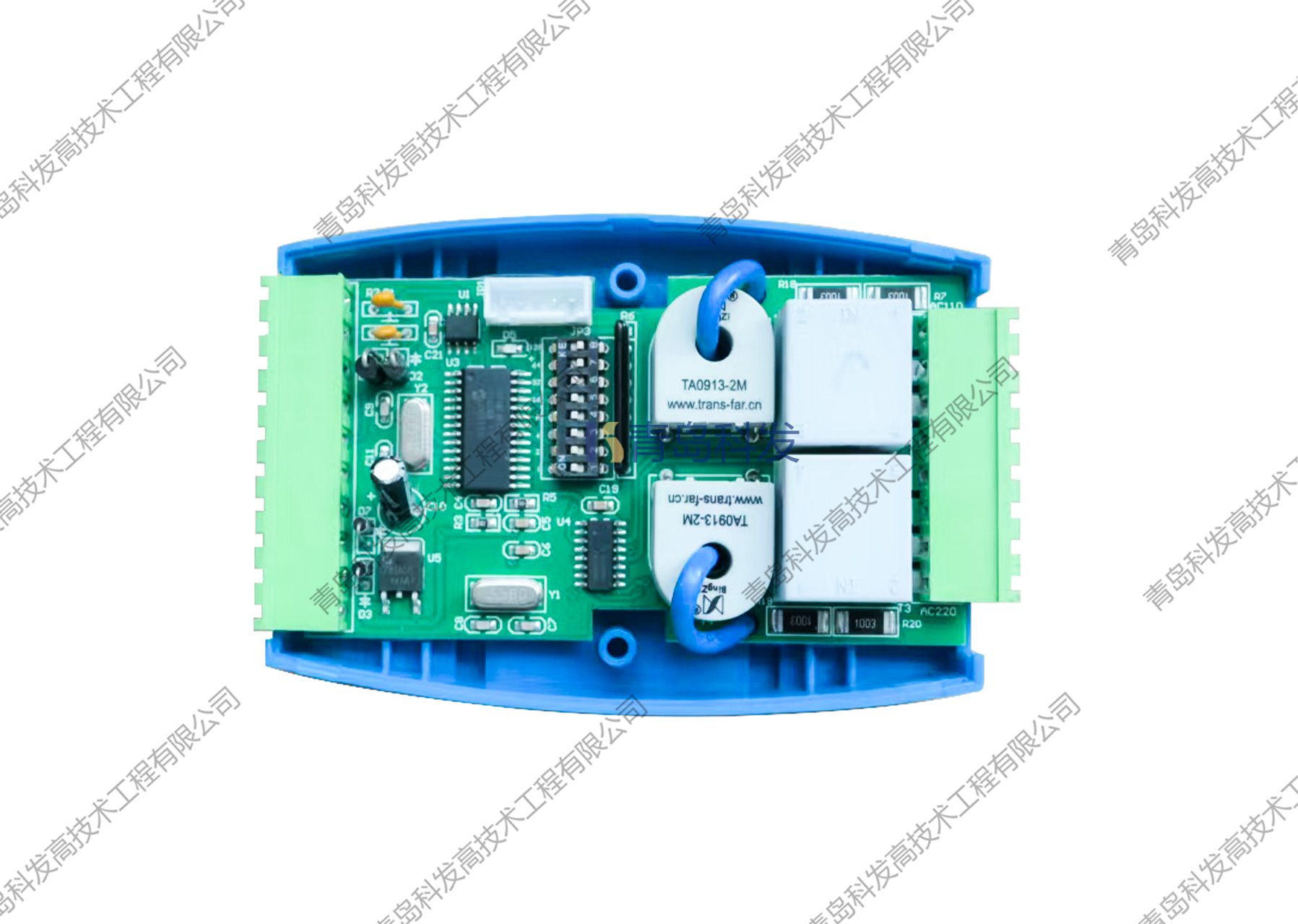
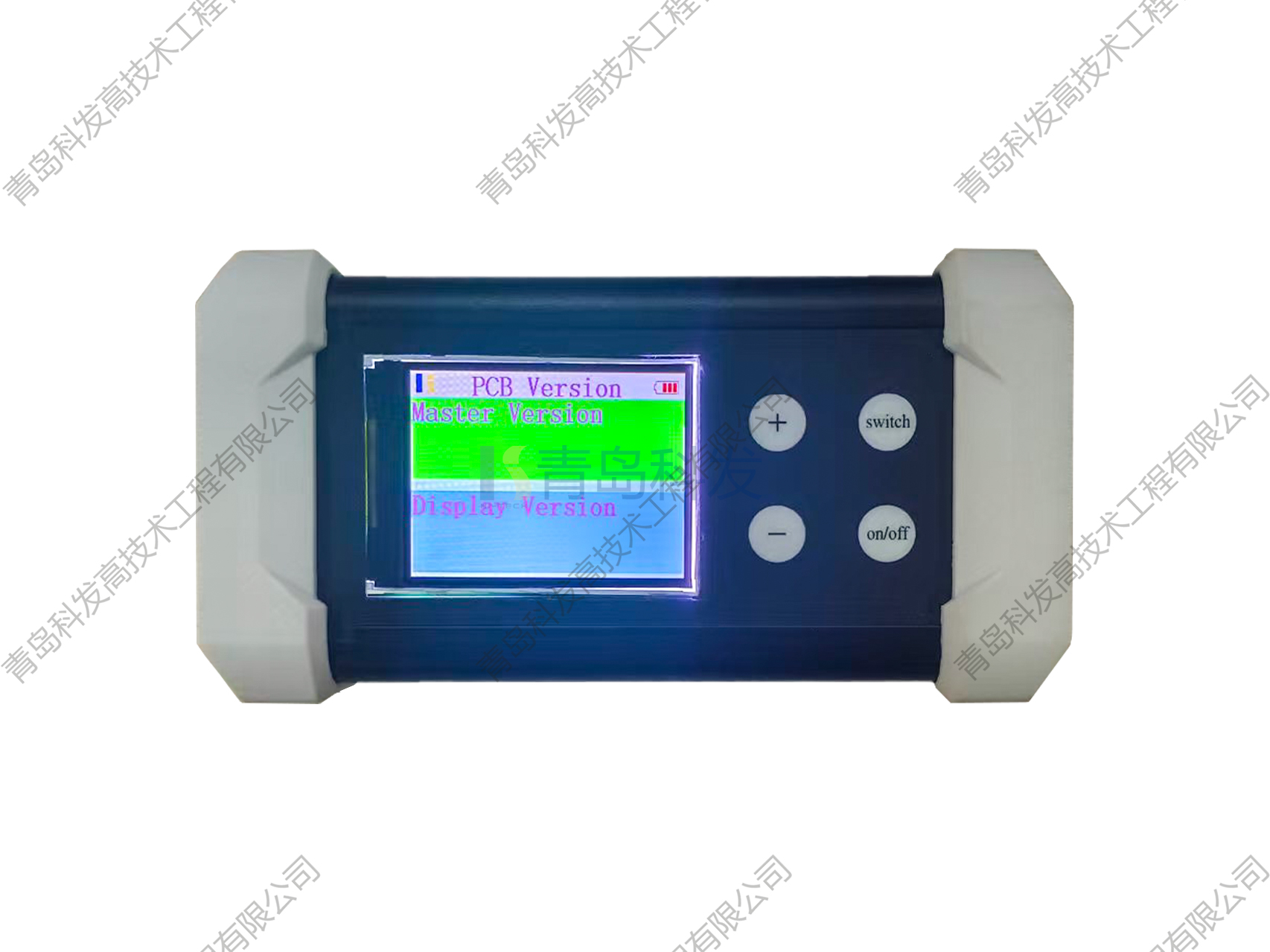
This Main Control Information Interconnection Communication Module (Main Board Version Verification Edition) is a highly reliable and user-friendly tool specifically designed for household appliances. It interacts with the main board via standardized communication interfaces to accurately read and verify version number information, serving as a critical component for ensuring product quality, production efficiency, and after-sales maintenance. Key features include flexible configuration, simple operation, reliable results, and easy integration.

Core Functions:

  • Active Reading: Sends a specific "Read Version Number" command to the main board.

  • Reception and Parsing: Receives the response data frame returned by the main board and parses the version number string from it.

  • Version Verification: Compares the parsed version number with the preset list of valid version numbers stored internally in the module.

  • Result Determination and Output: Clearly outputs a "Pass" or "Fail" signal/status based on the comparison result.

Auxiliary/Extended Functions:

  • Communication Status Monitoring: Detects the integrity of physical connections and matching of communication protocols.

  • Error Handling: Processes abnormal conditions such as communication timeouts, verification errors, data format errors, and invalid responses, and outputs corresponding error codes or statuses.

  • Log Recording (Optional): Records read version numbers, verification results, timestamps, error information, etc. (requires storage medium support).

  • Firmware Upgrade Interface (Optional): Reserves upgrade interfaces (e.g., USB, SWD) for module firmware updates when needed.

  • Trigger Mode Selection (Optional): Supports multiple verification triggers, including button trigger, power-on auto-trigger, and external signal trigger.

  • Preset Version Management (Advanced): Allows updating the internal list of valid version numbers via tool software (suitable for supporting multiple models or version iterations).


+86 0532-80918305

Product Features
Precise Verification
Its core value lies in accurately identifying the main board version number, preventing incorrect versions (e.g., engineering prototype versions, incompatible versions, uncertified versions) from entering the market or causing subsequent issues.
High Reliability
Stable Communication: Adopts mature industrial-grade communication protocols and interfaces to ensure the stability of data transmission. Multiple Verification Mechanisms: Combines data frame verification (e.g., CRC) with version number content verification, providing dual guarantees for result reliability. Robust Design: Incorporates timeout, retry, and other mechanisms to address temporary communication interference or connection issues.
Strong Compatibility
Flexible Interfaces: Supports mainstream communication interfaces (UART/I2C/SPI) to adapt to different main board designs. Configurable Protocols: Communication parameters (e.g., baud rate, parity bit) and protocol frame structures can be configured according to specific main board requirements. Version Format Adaptability: Capable of processing version number strings in common formats.
Usability
Plug-and-Play: Simple physical connection—typically only requires connecting the power supply, ground wire, and communication lines. Intuitive Results: Clearly indicates verification results (Pass/Fail) via LEDs, buzzers, or status codes. Simplified Configuration: Preset version numbers are configured before delivery or via tool software, requiring only a test trigger from the operator.
Efficiency
Rapid Detection: The entire process of reading, parsing, and verification is typically completed within milliseconds, improving the efficiency of production/test lines. Automated Integration: Easily integrable into automated production line test stations or maintenance inspection platforms.
Safety
Tamper Resistance: The preset list of valid version numbers is stored in the module and not easily modified arbitrarily (especially in modules with security design). Error Isolation: Verification failure can prevent subsequent potential incompatible operations or processes, protecting products and data.
Low Power Consumption
Power efficiency is incorporated into the design, making it suitable for battery-powered portable test equipment or standby operation.
Modular Design
As an independent functional module, it facilitates integration into various test systems or devices, while enabling convenient maintenance and replacement.
Cost-Effectiveness
Serving as a critical quality control component, its investment effectively avoids mass rework, after-sales issues, and high costs caused by version errors.
Equipment parameters

Hardware Interfaces

Communication Method

UART (TTL level, most common), I2C, SPI 

(selected based on main board design)

Baud Rate (UART)

Configurable (e.g., 9600, 19200, 38400, 57600, 

115200 bps), must be consistent with the main 

board settings

Data Bits

8 bits

Stop Bits

1 bit

Parity Bit

None / Even / Odd (must be consistent with 

the main board settings).

Operating Voltage

Typically 3.3V or 5V DC (must be compatible 

with the main control system)

Physical Interface

Pin header, connector, or test point (facilitating 

production/maintenance connections)

Version Number Format

Length

Preset maximum length (e.g., 16 bytes / 32 

bytes)

Content

Combination of letters, numbers, and specific 

separators (e.g., ., _, -). The format must be 

agreed upon consistently between the module 

and the main board

Verification Mechanism

Preset Valid Version Number List

The module internally stores one or more 

allowed and correct version number strings

Comparison Algorithm

Performs exact string matching between the read version number and the preset list

Verification Result Output

Matching Success

Outputs PASS / OK / High-level signal / Specific 

status code

Matching Failure

Outputs FAIL / ERROR / Low-level signal / 

Error status code (and can distinguish between 

"Unknown Version" or "Version Mismatch")

Other Configurations

Timeout Period

Maximum time to wait for the main board 

response (e.g., 500ms, 1000ms); a timeout 

is judged as failure

Retry Count

Number of automatic retries after communication or verification failure (e.g., 0-3 times)

Result Indication

LED indicator (Green = Pass, Red = Fail) or 

buzzer prompt (optional)


Common test substances
家电主控板英文.png