

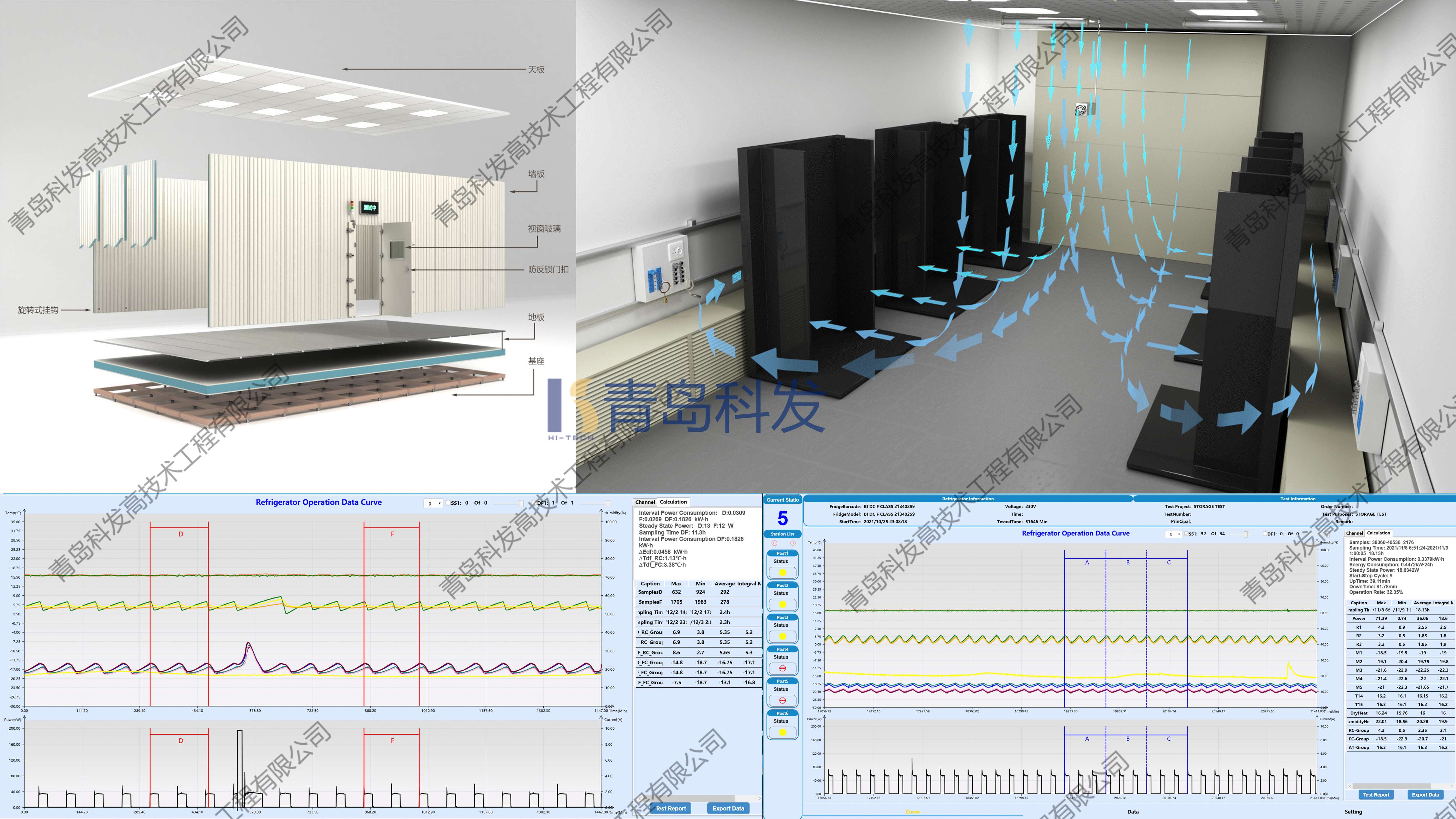
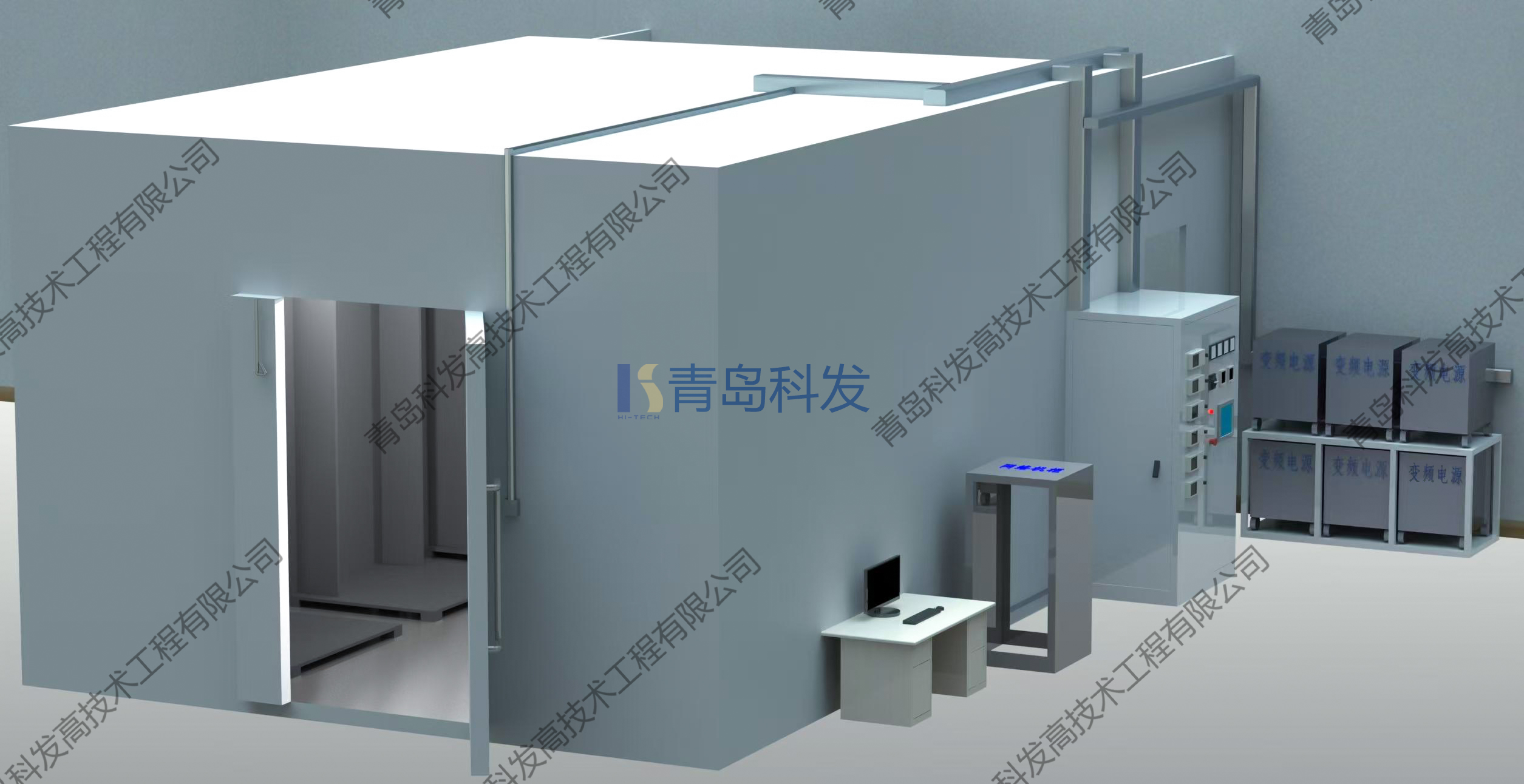
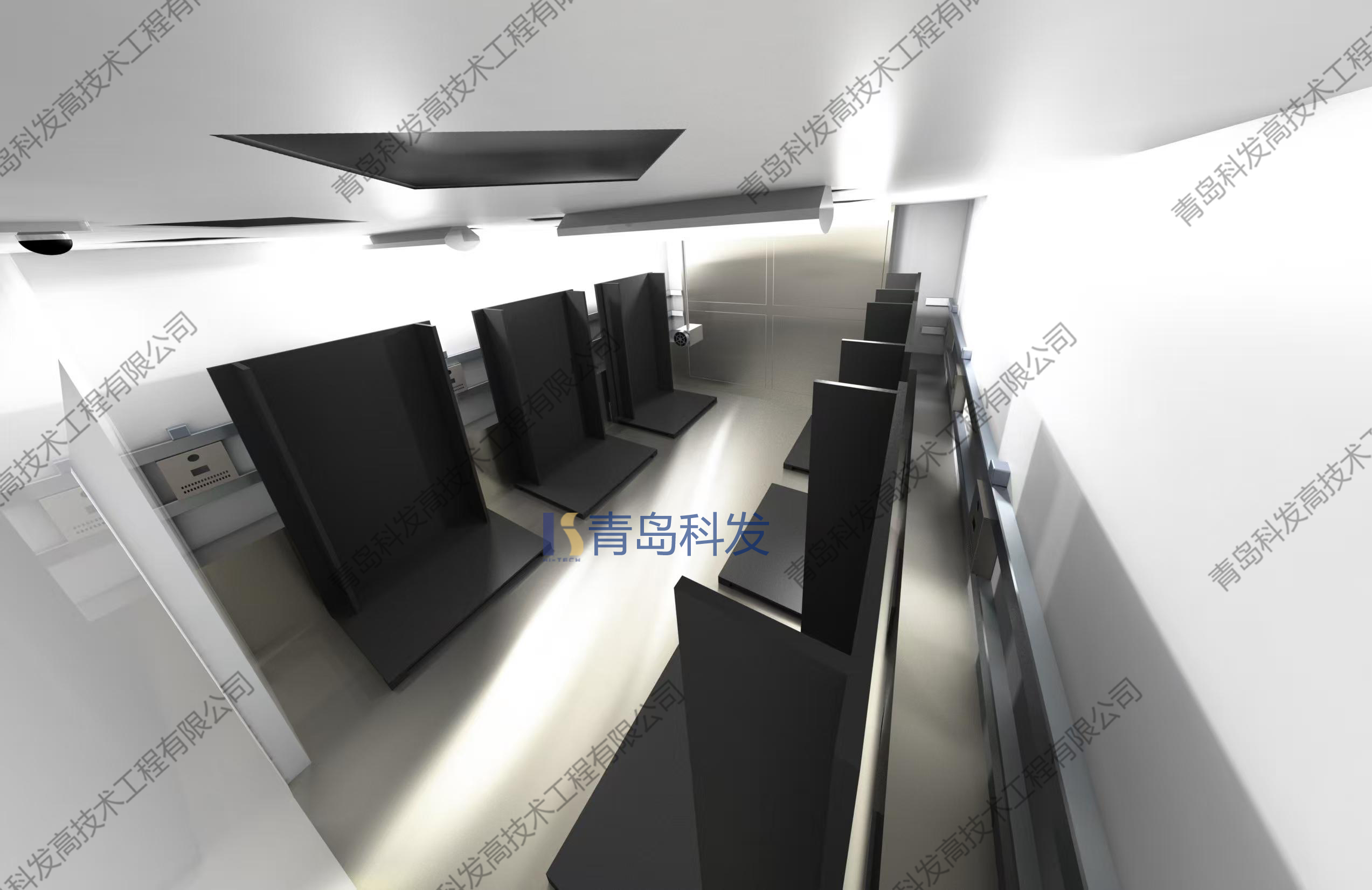
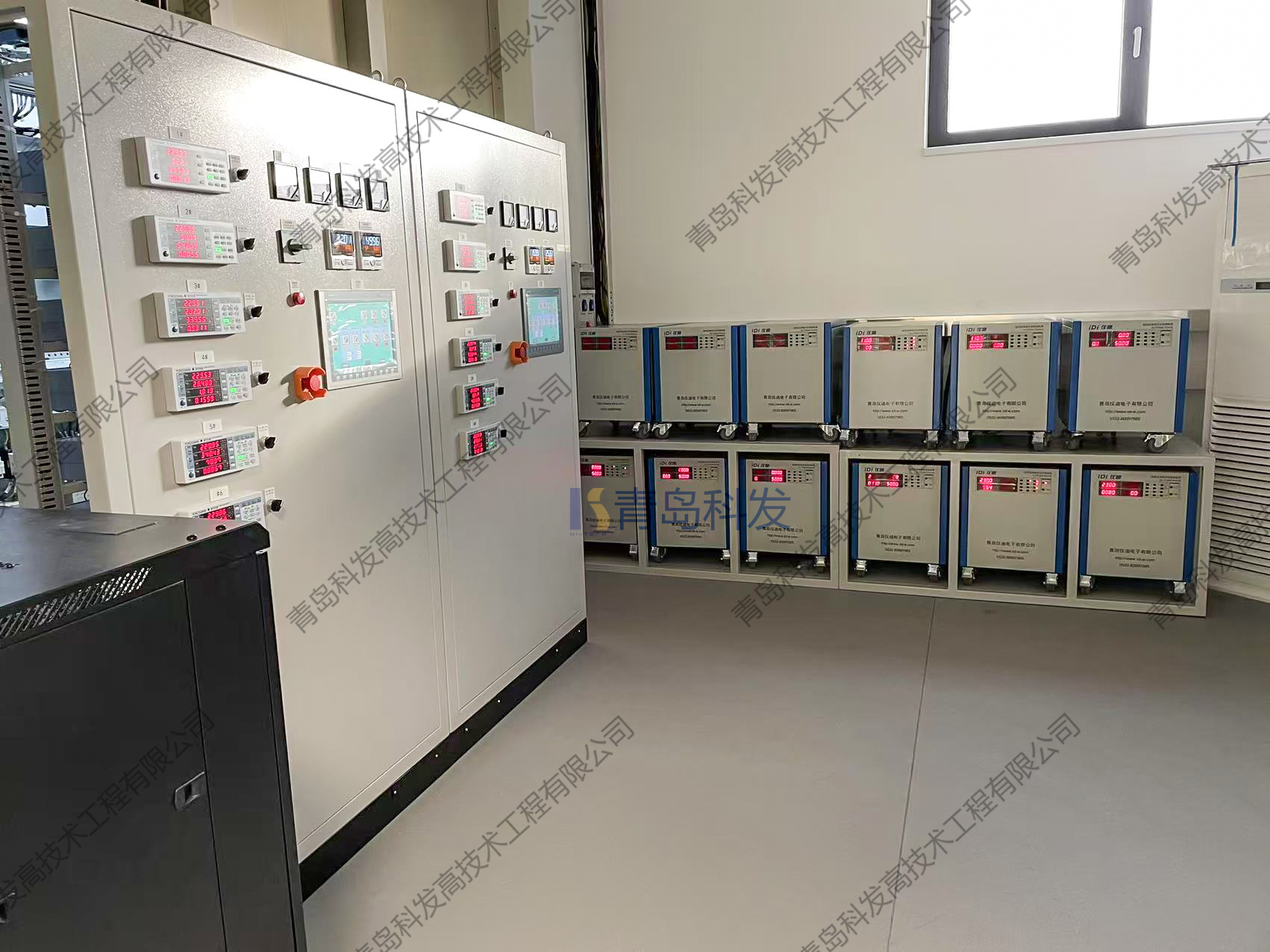
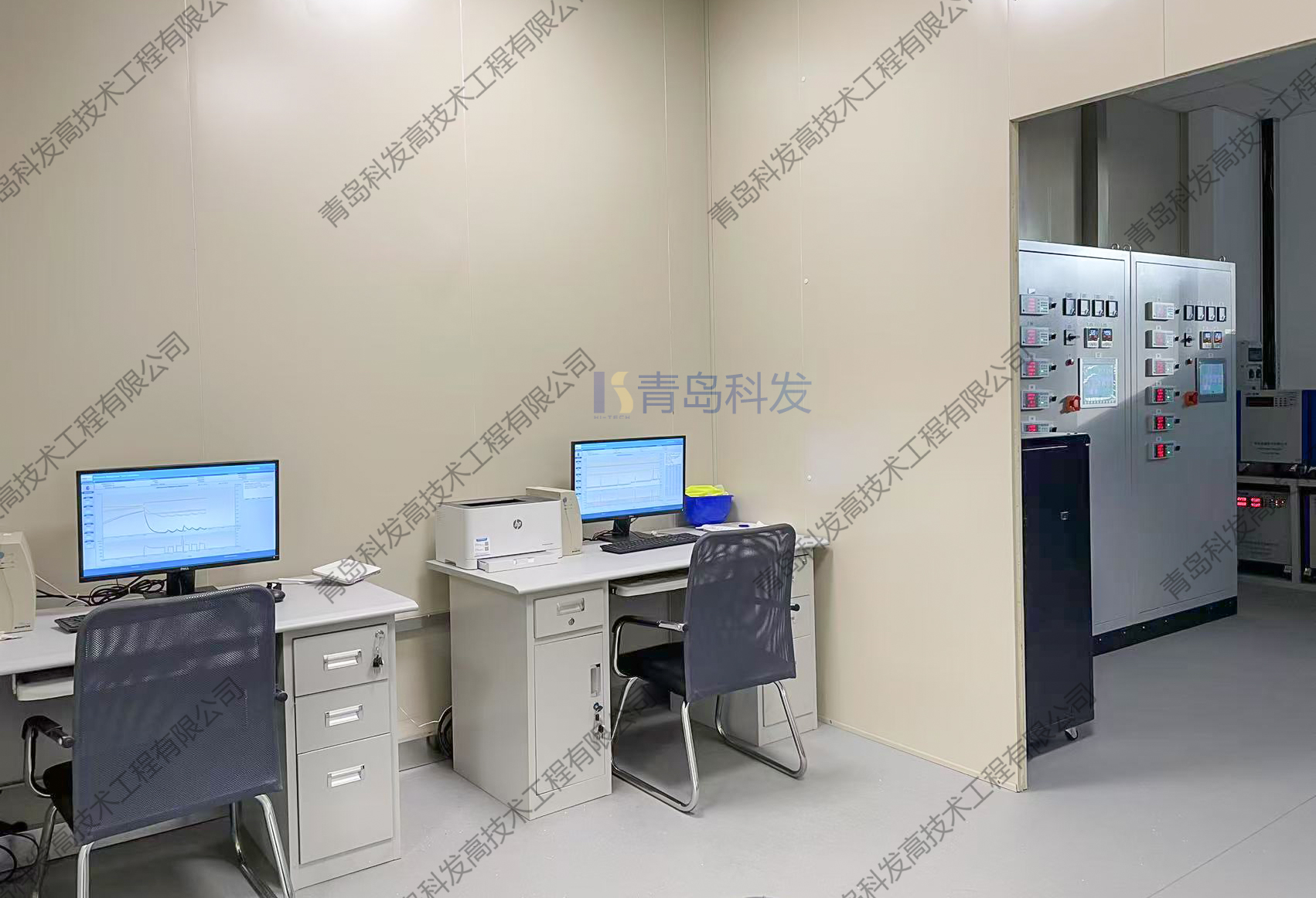
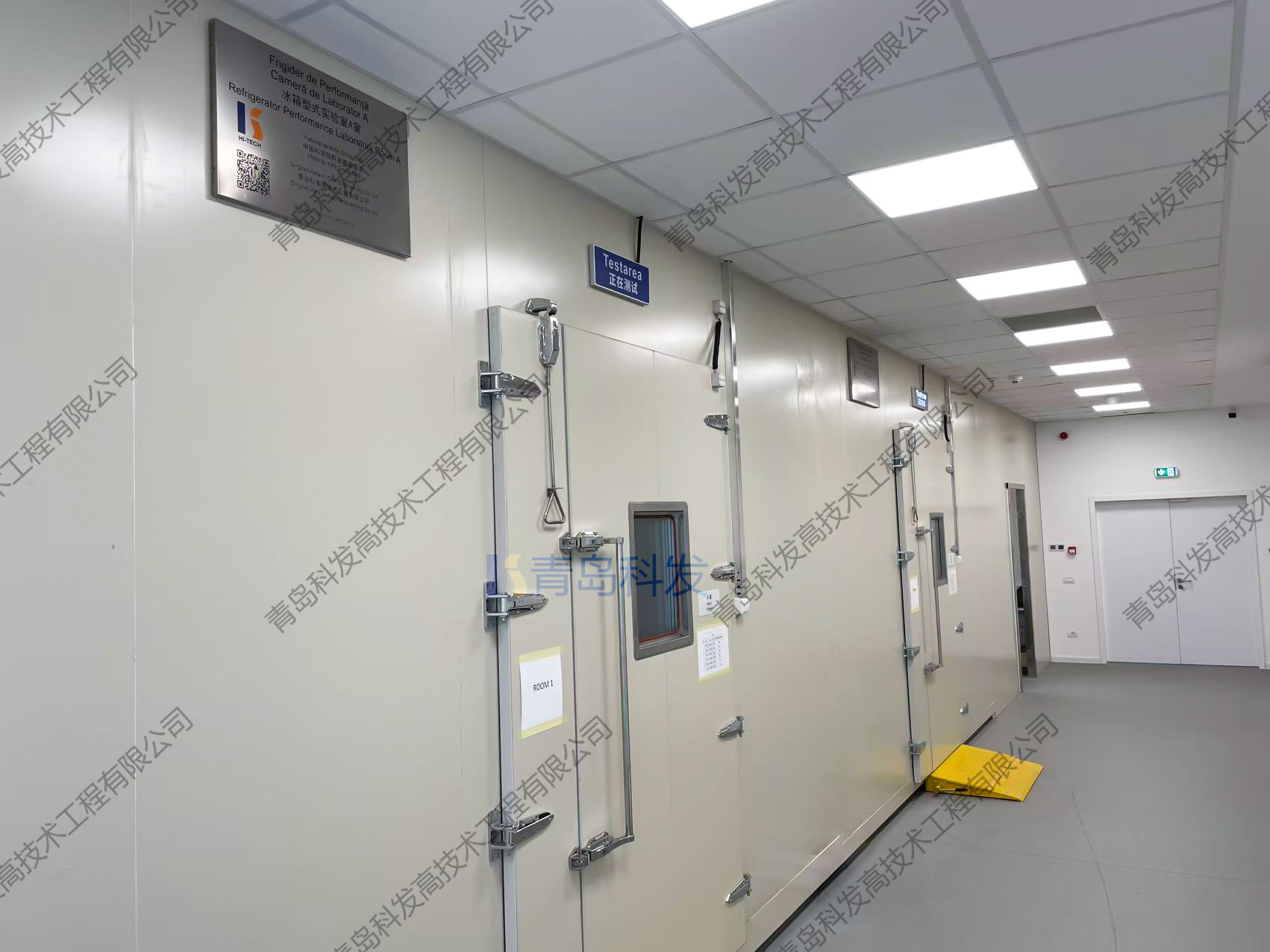
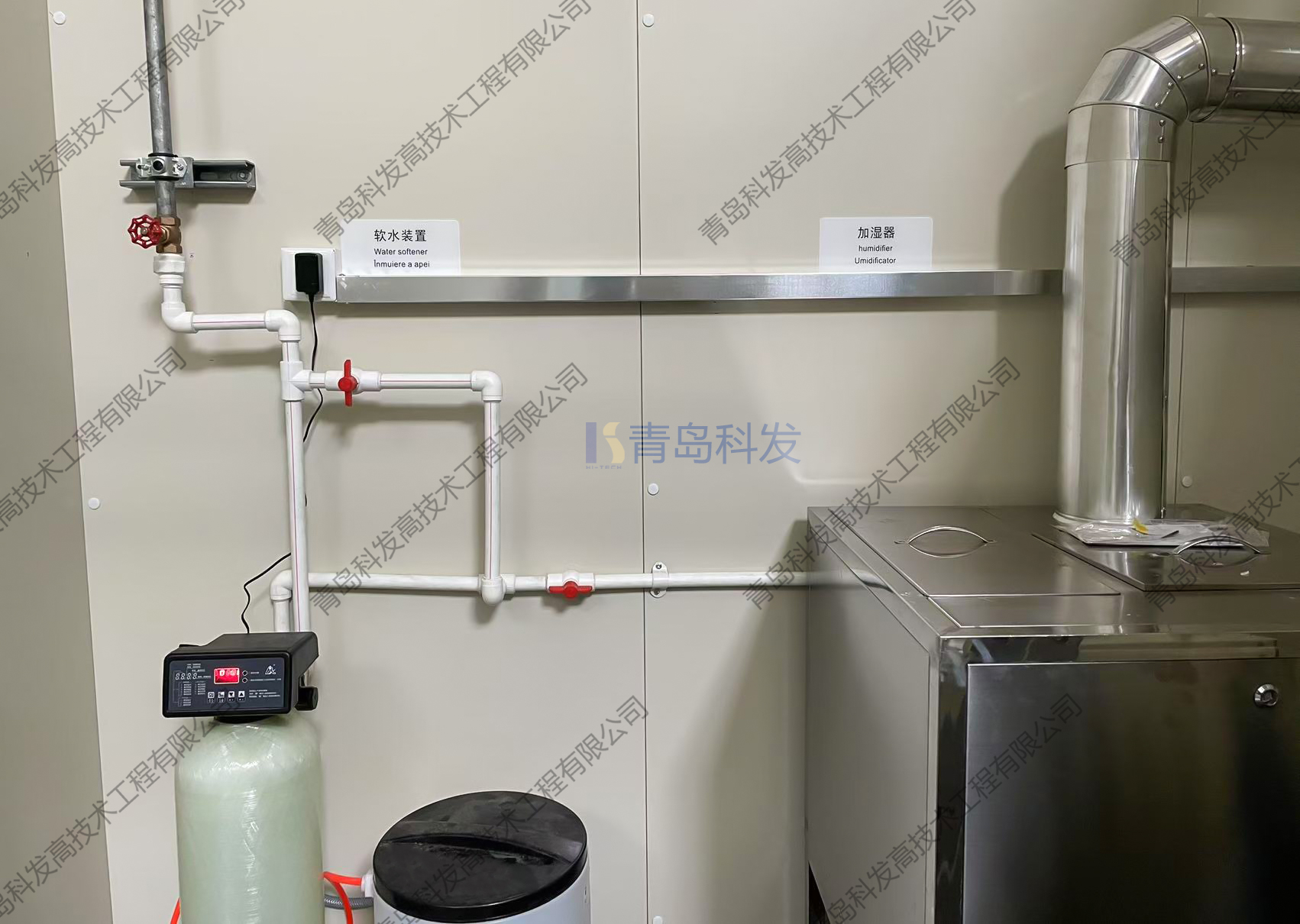
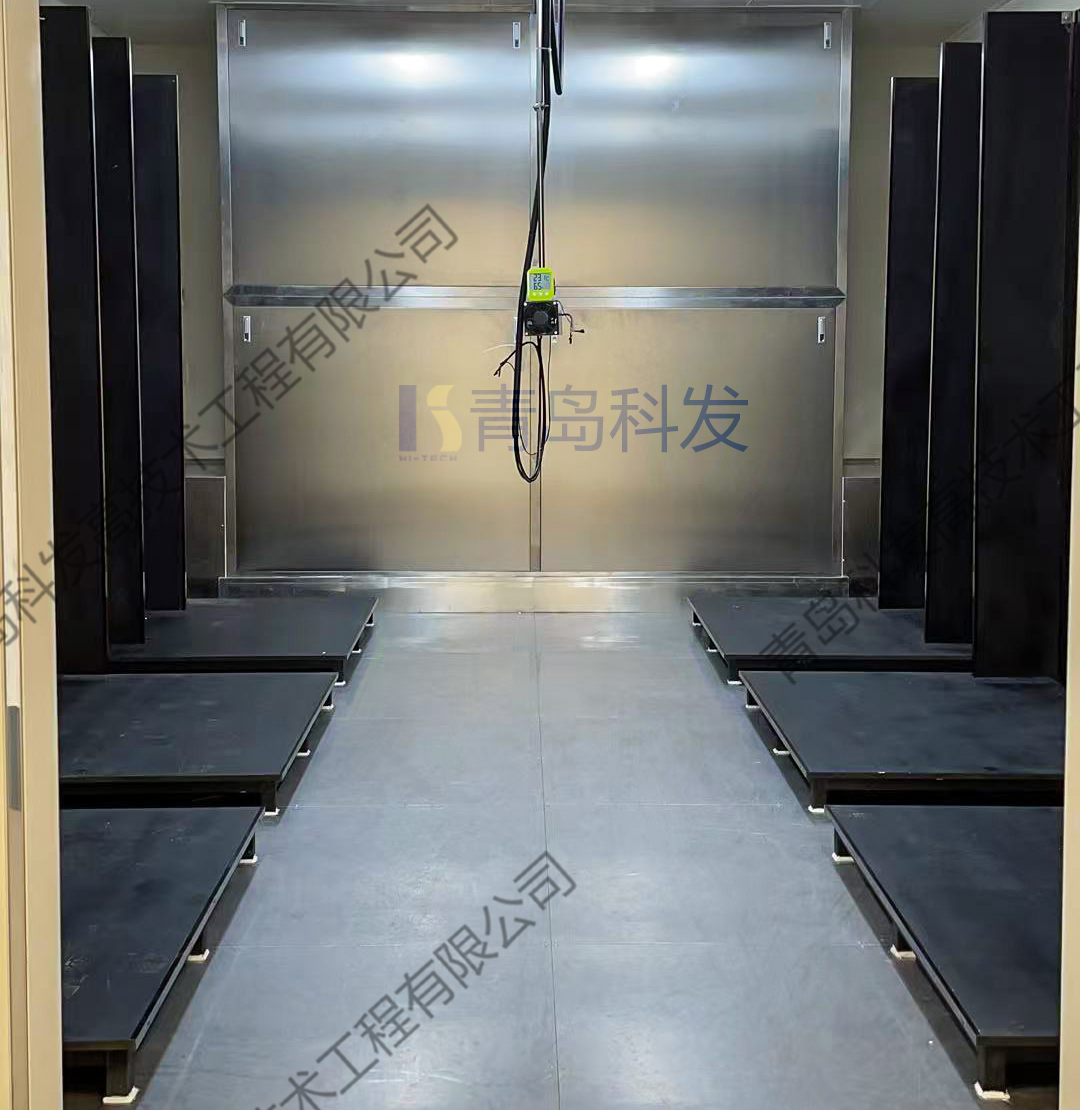
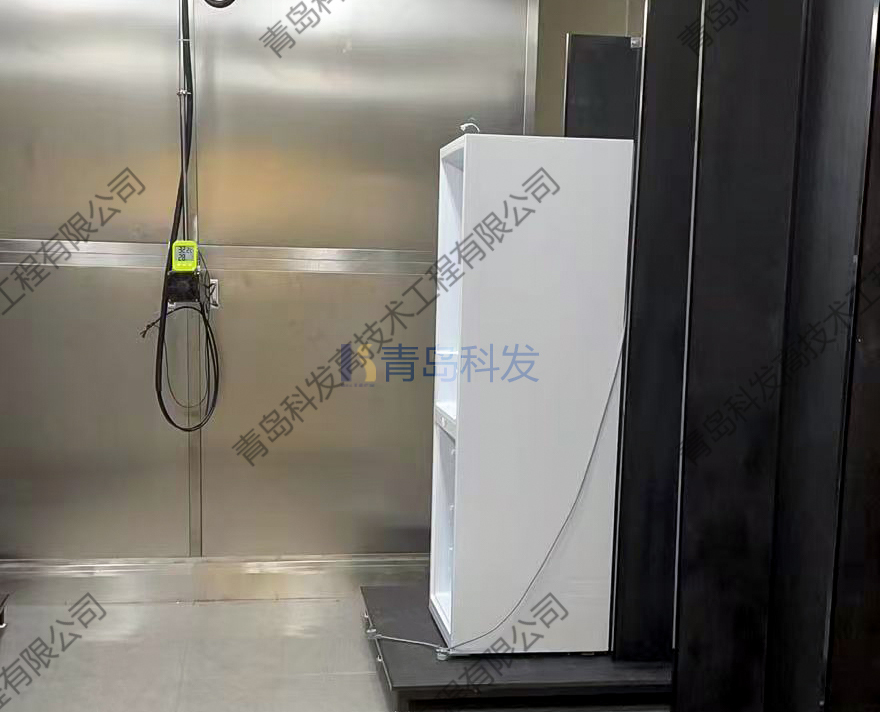
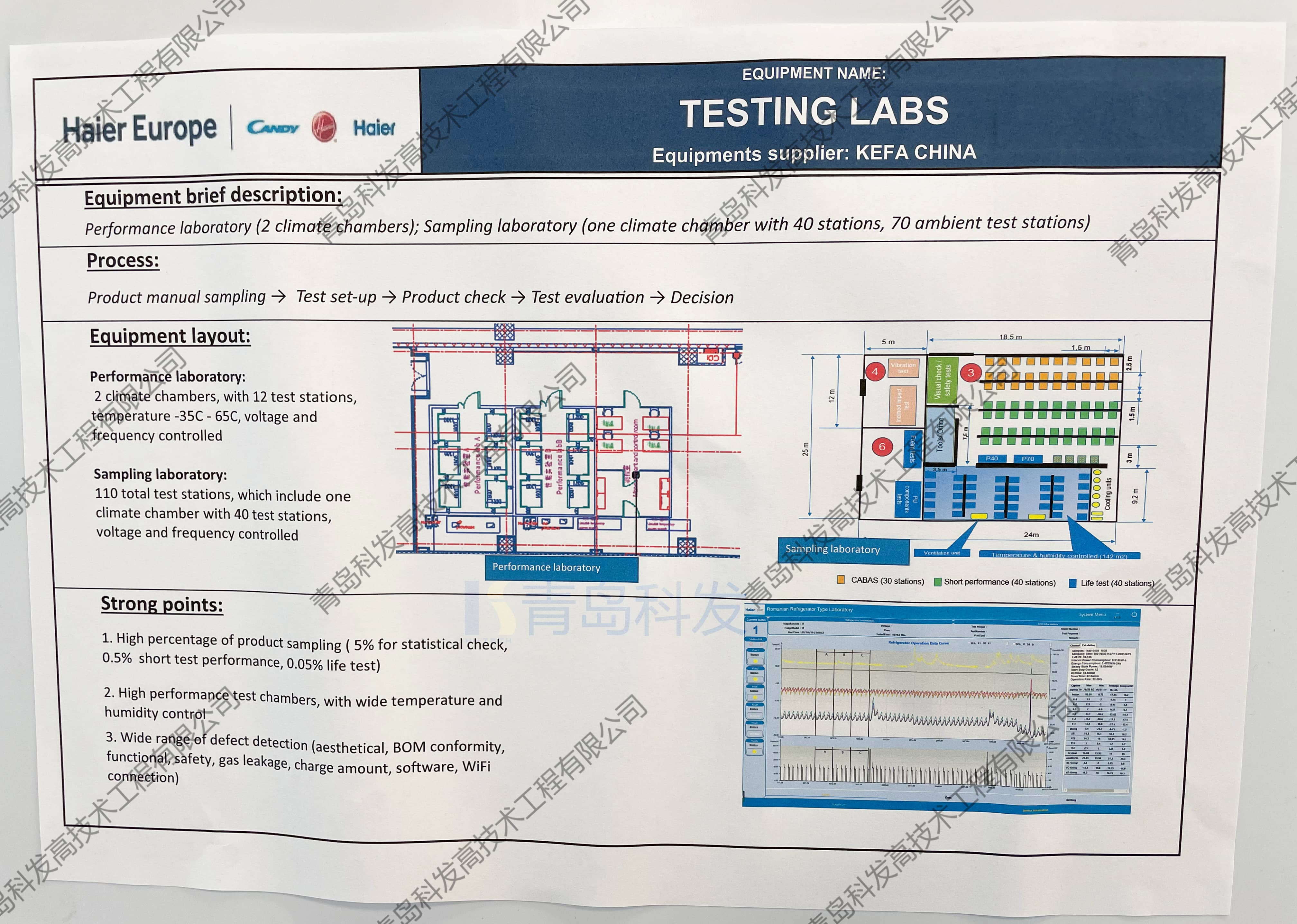

Introduction to the Laboratory 1. Applicable Objects: Various household electrical appliances such as washing machines, refrigerators, air conditioners, and dishwashers. It can be customized according to the working conditions and testing requirements of special household appliances. 2. Functions: - Detection of power and power consumption of various household appliances; - Detection of weather resistance performance of various household appliances; - Temperature detection of each compartment of refrigerators; - Detection of pipeline components and electrical parts of household appliances; - Equipped with a laboratory management system, opening a new era of information-based, intelligent, and humanized laboratories for household appliances. 3. Forms of Laboratory: Various types of laboratories, sampling inspection rooms, and user experience laboratories. Laboratory Environment Control: The environmental system can be customized according to different standards. The following takes the 8059 standard commonly used in the refrigerator industry as an example: 1. Temperature range and accuracy: (0~55℃) ±0.3℃ 2. Temperature field: Within the space 2m high from the test bench, the vertical temperature gradient should not exceed 1℃/m. 3. Ambient relative humidity: (40%~95%RH) ±3.0%RH (not assessed when the ambient temperature is lower than 16℃) 4. Ambient air velocity: Not greater than 0.25m/s at 10℃~55℃ 5. Refrigeration unit: Variable frequency compressor refrigeration, energy-saving and environmental-friendly, with fast heating and cooling speed, and temperature conversion from 55℃ to 10℃ can be achieved within 2 hours; 6. The indoor and outdoor units of the refrigeration system are equipped with shockproof and noise reduction measures, with no abnormal noise. 7. Heating: Heating should stop when the fan stops working, with over-temperature protection function, and the heating tube is easy to replace. 8. Humidifier: Equipped with automatic water level control function, as well as water shortage and overflow protection functions. The humidification system is采取 thermal insulation measures. 9. Defrosting: Automatic defrosting should be performed when operating under low-temperature conditions. The refrigeration condensate can be discharged by itself, and there is no water accumulation in the laboratory. The condensate is discharged to the floor drain through the pipeline. 10. Sampler: Should be placed in the middle position, without hindering the handling and testing of the refrigerator. Laboratory Software: Our company's laboratory software adheres to the principles of "scientific calculation, convenient use, and data security", making data processing and analysis for technical engineers easy and efficient, and well-received by users. 1. Meets the testing algorithm requirements of national standards, European standards, Japanese standards, etc., and meets the requirements for judging stability and calculating power consumption in the GB/T 8059:2016 standard. The software automatically judges stability, eliminating the need for manual search for the stable state of the refrigerator, thus improving work efficiency. 2. If no sensor is placed after the test starts, the system will automatically remind. 3. Automatic control of working conditions: When the system starts the test, the test conditions (temperature, humidity, voltage, frequency, etc.) can be directly set on the software, and the software will automatically control the operation of the environmental system, without the need to set various parameters or start/stop separately on the touch screen. 4. Working condition inspection: Real-time detection of working conditions. If the working conditions are not within the predetermined range and cannot be adjusted, the system will automatically prompt the experimenter to check the cause of the abnormal working conditions. 5. Data export: All or part of the data can be exported to Excel during and after the test, and the test data can be statistically analyzed under OFFICE software. 6. Test template set: Relevant test sets can be preset; after receiving a test task, the template of the test set can be directly used to prevent missing test items. Personalized Customization of the Laboratory: - Add a vibration device simulating the vehicle-mounted environment to verify the performance of vehicle-mounted refrigerators in their operating environment. - Add door switch detection, drawer pushing and pulling devices, etc., for refrigerator reliability tests. - Add pressure detection instruments to detect the pressure of refrigerator refrigeration pipelines in the operating environment. - Add a humidity detection device inside the refrigerator. Function Introduction: This laboratory management system is independently developed by Kefa, oriented to the household appliance industry, and based on type laboratory management. The system aims to serve users and is developed to reduce the standardized, tedious, and delicate experimental workload of technical engineers in the household appliance industry. According to customer needs, this laboratory management system can be optionally equipped with an access control system and a video surveillance system, and can incorporate other refrigerator testing items such as high and low-temperature laboratories, EMC rooms, metallographic analysis rooms, etc., into management. The specific functions and operation procedures are developed according to user management needs. The laboratory has passed CE certification and is internationally recognized.
-
Type
Laboratory -
Obtain solutions